

Have you done your annual tax planning yet?
If not, the clock is ticking. With only two months left in the year, waiting until January could cost you thousands in missed deductions.
By the time December 31 passes, your best opportunities to reduce your 2025 tax bill will be gone. That is why smart tax planning is about being proactive—not reactive.
This year-end checklist covers the top moves to make before year-end to lower your taxes, strengthen your finances, and set yourself up for a smoother filing season.
1. Max Out the Easy Wins
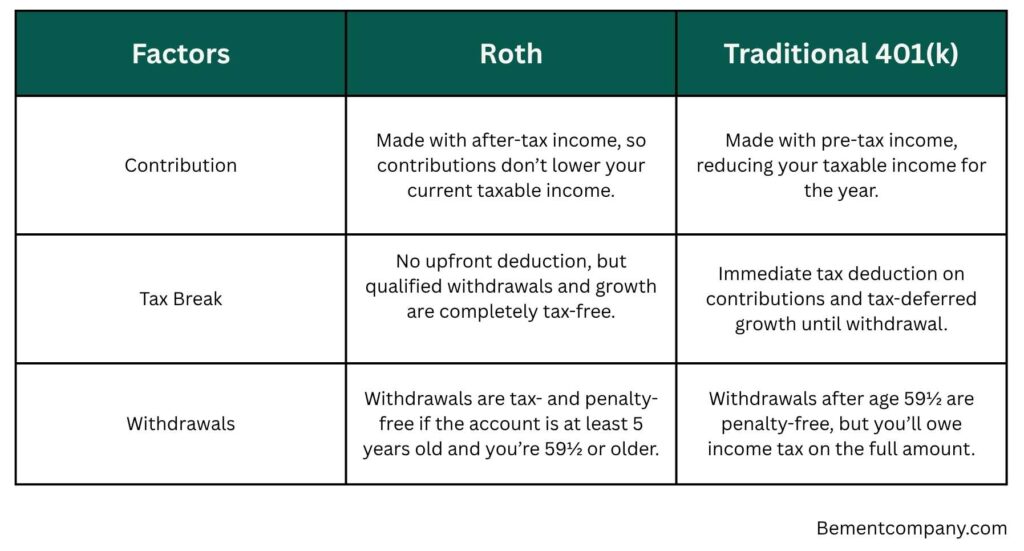
Retirement Contributions
One of the simplest and most effective tax strategies is maximizing retirement contributions.
- 401(k) or Solo 401(k): Contribute up to $23,500 for 2025 (or $31,000 if you are age 50 or older).
- Employer contributions: Business owners can contribute up to 25% of compensation on top of their employee contributions.
These contributions reduce taxable income now and grow tax-deferred for retirement.
Backdoor Roth IRAs
If your income is too high for a direct Roth IRA contribution, consider a Backdoor Roth. You contribute to a traditional IRA and then convert it to a Roth.
This lets you enjoy tax-free growth and withdrawals later. Be sure to coordinate with your CPA to avoid unexpected taxes.
2. Review Your Business Entity Before December 31
If you are earning more than $300,000 and still operating as a sole proprietor or single-member LLC, you may be overpaying in taxes.
Electing S-Corporation status allows you to pay yourself a reasonable salary and take the rest as distributions, which are not subject to self-employment tax.
Before year-end, check the following:
- Are you structured correctly to benefit from S-Corp tax treatment?
- If already an S-Corp, is your salary reasonable?
Making these changes now means your structure will apply for the entire 2025 tax year.
3. The Write-Off Rundown
Think of this as your “last call” for business expenses. Once the year ends, you cannot go back and claim new deductions.
Business Purchases to Consider
- New laptop, camera, or phone used for work
- Upgraded home office equipment
- Professional training or conferences
- Marketing or advertising expenses
- Team bonuses or gifts
- Prepaid expenses like rent, insurance, or software subscriptions
Charitable Giving
If you want to make a difference and reduce taxes, donate appreciated assets or contribute to a Donor-Advised Fund (DAF).
You get the deduction this year while deciding later how to allocate the funds.
4. Manage Capital Gains and Losses
Now is the time to review your investment portfolio.
If you sold investments at a profit this year, consider selling underperforming assets to offset gains.
You can also deduct up to $3,000 of capital losses from ordinary income.
But remember: always make investment decisions based on your long-term strategy, not just taxes.
5. Review Estimated Tax Payments
If your income increased in 2025, make sure your quarterly estimated tax payments are keeping up.
Falling short can trigger underpayment penalties.
If necessary, increase your final estimated payment due in January 2026 to stay in the clear.
6. Take Advantage of 100% Bonus Depreciation
The One Big Beautiful Bill Act (OBBBA) brought back 100% bonus depreciation.
That means you can deduct the full cost of qualifying purchases like:
- Business vehicles
- Equipment and tools
- Furniture
- Certain real estate improvements
Buy before December 31 to maximize your deductions this year.
7. Check Health and Education Accounts
Health Savings Accounts (HSA)
If you have a high-deductible health plan, HSAs are one of the most tax-advantaged tools available:
- Contribute up to $4,300 (single) or $8,550 (family).
- Contributions are tax-free, grow tax-free, and can be used tax-free for medical expenses.

529 College Savings Plans
Contributions to 529 plans grow tax-free, and many states offer deductions or credits for contributions.
This is a simple move that benefits both your kids and your taxes.
8. Review Withholding and W-2s
Avoid an April surprise by double-checking your tax withholding.If you earned more through commissions, bonuses, or side income, your current withholding may not be enough.
Adjust it now with your employer to prevent a large balance due at filing time.
9. Make Tax-Smart Investments
If you are a high earner, look at tax-advantaged investments before year-end.
Options may include:
- Oil and gas investments
- Short-term rentals
- Real estate syndications
- Charitable tax equity projects
Most of these require funding before December 31 to count for the 2025 tax year.
Bement Company’s Strategy Department can help you evaluate which ones fit your goals and risk tolerance.
10. Get Organized Early
Tax season is stressful enough. Don’t make it harder on yourself.
Start now by:
- Collecting receipts and expense records
- Gathering 1099s, W-2s, and K-1s
- Organizing brokerage statements
- Communicating early with your CPA or accountant
This helps avoid missed deductions and rushed filings later.
11. Give Yourself a Cash Flow Review
Taxes are not just about what you owe, they’re about how efficiently your money is working.
Take time to review:
- Where your cash is going each month
- Which areas of your business generate the highest returns
- Whether you are reinvesting enough into tax-advantaged opportunities
A quick review now can lead to smarter decisions all year long.
Final Thoughts
The people who win with taxes do not wait until April—they plan before December 31.
Tax planning is not just about lowering your bill. It is about making smarter moves to build wealth, reinvest strategically, and create financial flexibility.
Take the time to review this checklist, make your final contributions, and set yourself up for success.
Your future self will thank you when tax season arrives.
Schedule a strategy seesion with Bement & Company to create a personalized tax plan before the year ends.