

Most people notice that business owners often seem to pay less in taxes, even when they earn similar incomes. It is not a trick or a loophole. It is the result of how the tax system treats business income compared to regular wages.
Understanding this difference can help you use the same principles to lower your taxes, even if you do not run a business right now.
Let’s break it down.
How Most People Are Taxed (The Standard Formula)
For most individuals, the tax process looks like this:
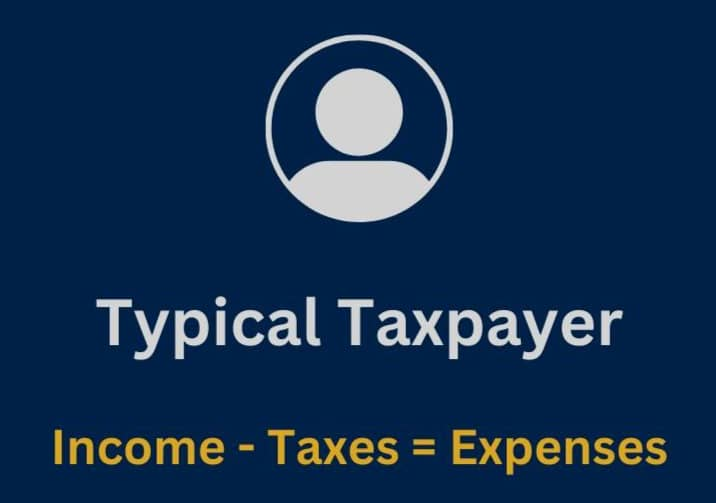
That is the standard tax formula.
Once your taxes are withheld from your paycheck, there is little room to reduce what you owe beyond retirement contributions or itemized deductions.
With smart planning, you can still save thousands each year, but business owners can often save tens of thousands because their formula is completely different.
How Business Owners Are Taxed (The Advantage)
Business owners follow a different order. Their formula looks like this:
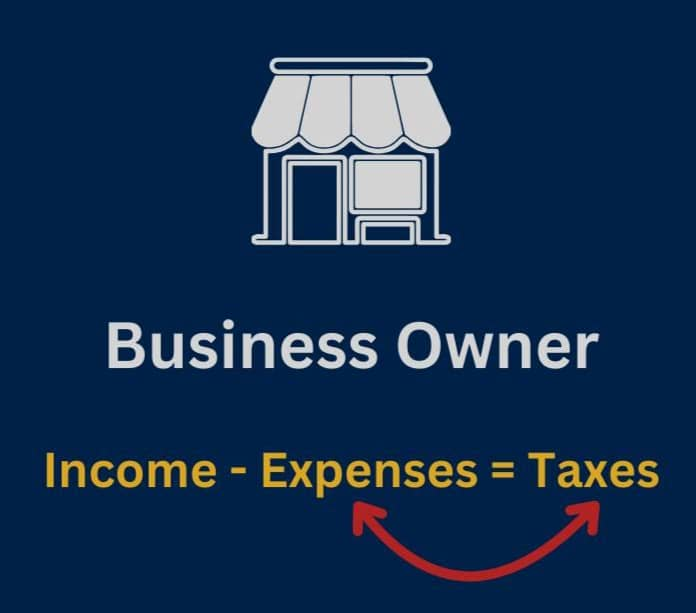
They earn money → pay business expenses → then pay taxes on what is left.
This small shift makes a big difference. By deducting legitimate business expenses before paying taxes, business owners get to use pre-tax dollars for many costs that others pay for personally.
Examples of legitimate business deductions include:
- Vehicle expenses related to business travel
- Business-related travel costs
- Health insurance premiums or healthcare benefits
- Office or coworking space costs
- Meals with clients or partners
- Continuing education or professional development
- Technology and software used for business
As long as an expense is ordinary and necessary for the type of business, has a clear business purpose, and is properly documented, it can often qualify as a deduction.
In other words, by changing the facts and circumstances of how an expense is used, business owners can legally turn personal costs into business deductions.
Learn more about what qualifies as a deduction from the IRS Business Expenses Guide.
What If You Do Not Have a Business?
Here is the good news. You do not need to own a large company to benefit from these rules. You just need to have a legitimate intent to earn a profit.
According to the IRS, the intent to make money is one of the main factors that determines whether an activity qualifies as a business.
So if you have ever thought, “I would love to take advantage of those deductions, but I do not have a business,” you may be missing opportunities that are already within reach.
Simple Ways to Create a Legitimate Business
If you are a high-income W-2 earner or professional, you may already have something in your life that could qualify as a business.
Here are a few examples to consider:
- Turning a hobby into a consulting or product business
- Offering paid advice or coaching based on your professional expertise
- Structuring your investment activity into a business
- Revisiting an old business idea and formalizing it as a side venture
- Helping your kids start small income-generating projects and tracking them properly
Each of these scenarios can “busine-fy” parts of your life, opening the door to new tax planning opportunities.
It is not about gaming the system. It is about seeing where legitimate business opportunities already exist and aligning your finances to take advantage of them.
For details on how the IRS defines a business versus a hobby, check out IRS Publication 535: Business Expenses.
The Power of Thinking Like a Business Owner
When you start to think like a business owner, you stop viewing expenses as purely personal and start asking smarter questions:
- Could this activity generate income?
- Can I document a clear business purpose?
- Would this expense be “ordinary and necessary” for that type of business?
This mindset shift can help you:
- Reduce your overall taxable income
- Reinvest more into wealth-building activities
- Build multiple income streams
It is not just about saving on taxes. It is about creating more flexibility and control over your financial future.
Final Thoughts
You do not need a large company or staff to benefit from business tax rules. You just need a legitimate, profit-seeking activity and the willingness to structure it properly.
If you are curious whether something in your life could qualify as a business for tax deduction purposes, or you want to explore how “busine-fying” your life could reduce your taxes, schedule a strategy session with Bement Company.
You may find there are more opportunities around you than you realize.